


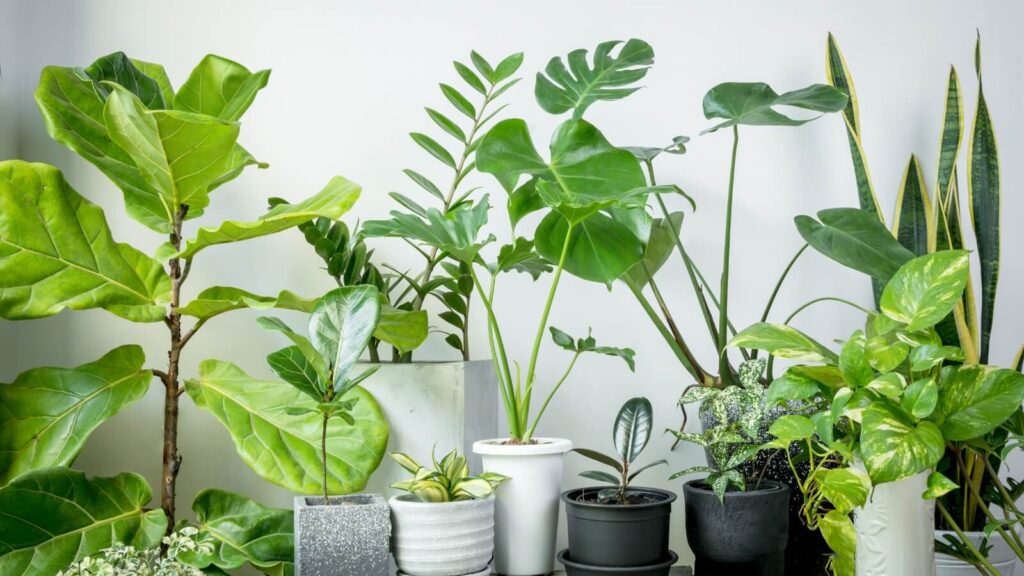
Bringing indoor plants into your home is one of the simplest ways to create a calmer, more inviting space. A touch of greenery can make a room feel fresh, improve its atmosphere, and add natural beauty to any décor style. Yet for many beginners, the idea of caring for plants can feel intimidating.
If you’ve never owned a plant before, you may wonder which varieties will survive in your home, how much sunlight they need, or whether you’ll accidentally kill them within a few weeks. These concerns are incredibly common. Many first-time plant owners choose plants that don’t match their living conditions, leading to frustration and disappointment.
The good news is that successful indoor gardening doesn’t require a green thumb. With the right plant choices and a basic understanding of placement and care, anyone can enjoy thriving indoor plants. This guide will help you select beginner-friendly plants, understand your home’s lighting conditions, and learn simple care routines that make indoor plant ownership enjoyable and stress-free.
Why Indoor Plants Are Perfect for Beginners
Indoor plants offer more than just visual appeal. They help create a relaxing environment and can make small spaces feel more alive and welcoming.
For beginners, plants also provide an opportunity to develop a rewarding hobby without a significant investment of time or effort. Many popular houseplants are surprisingly resilient and can tolerate occasional neglect.
Some benefits of indoor plants include:
- Enhancing home aesthetics
- Creating a more relaxing atmosphere
- Adding natural elements to modern interiors
- Helping establish a connection with nature indoors
- Providing a satisfying and enjoyable hobby
The key is starting with plants that are known for their adaptability and low-maintenance care requirements.
Understanding Your Home’s Light Conditions
Before choosing indoor plants, it’s important to understand the type of light available in your space. Light is one of the biggest factors influencing plant health.
Bright Indirect Light
Bright indirect light occurs when a room receives plenty of natural light, but the sun’s rays do not directly hit the plant.
Common locations include:
- Near east-facing windows
- A few feet away from south-facing windows
- Well-lit living rooms with filtered sunlight
Many popular indoor plants thrive in these conditions.
Medium Light
Medium light areas receive moderate natural light throughout the day.
Examples include:
- Rooms with partially shaded windows
- Areas farther from bright windows
These spaces work well for many adaptable houseplants.
Low Light
Low-light spaces receive limited natural light but are not completely dark.
Examples include:
- Hallways
- Offices
- Bedrooms with small windows
Fortunately, several beginner-friendly indoor plants can tolerate these conditions.
Best Indoor Plants for Beginners
Choosing the right plants from the beginning greatly increases your chances of success.
Snake Plant
The Snake Plant is often considered the ultimate beginner plant.
Why it’s great:
- Tolerates low to bright light
- Requires infrequent watering
- Handles occasional neglect well
- Features attractive upright leaves
Water only when the soil is completely dry.
Pothos
Pothos is known for its trailing vines and adaptability.
Benefits include:
- Fast-growing and forgiving
- Thrives in various lighting conditions
- Easy to propagate
- Looks beautiful on shelves and hanging planters
For beginners who want visible growth and minimal maintenance, pothos is an excellent choice.
ZZ Plant
The ZZ Plant is ideal for people who travel frequently or forget to water.
Key advantages:
- Extremely drought tolerant
- Grows well in low light
- Requires little attention
- Features glossy, elegant foliage
This plant is often recommended for offices and apartments.
Peace Lily
Peace Lilies offer beautiful green leaves and elegant white blooms.
They are popular because:
- They communicate when they need water by drooping slightly
- They adapt well to indoor environments
- They add sophistication to any room
Keep the soil lightly moist but avoid overwatering.
Spider Plant
Spider Plants are easy-going and visually appealing.
Reasons beginners love them:
- Fast-growing
- Produces baby plants
- Tolerates varying conditions
- Safe and attractive for many homes
They look especially beautiful in hanging baskets.
How to Place Indoor Plants Successfully
Even the best indoor plants need proper placement.
Match the Plant to the Space
Instead of forcing a plant into a location, choose a plant that naturally suits the area’s lighting conditions.
For example:
- Snake Plants work well in low-light corners.
- Pothos thrive near bright windows with indirect light.
- Peace Lilies prefer medium-light rooms.
Avoid Sudden Environmental Changes
Plants appreciate consistency.
Try to avoid placing them:
- Next to heating vents
- Near air conditioners
- Beside frequently opened exterior doors
Stable temperatures help plants adjust and thrive.
Rotate Plants Occasionally
Plants naturally grow toward light.
Rotating your plant every few weeks encourages balanced growth and prevents leaning.
Simple Indoor Plant Care Tips
Many beginners accidentally harm plants through overcare rather than neglect.
Water Less Than You Think
Overwatering is one of the most common causes of plant problems.
Before watering:
- Check the soil with your finger.
- Ensure the top layer feels dry.
- Water thoroughly when needed.
- Allow excess water to drain.
Different plants have different needs, but most beginner plants prefer drying out slightly between waterings.
Choose the Right Pot
A pot with drainage holes helps prevent root rot.
Drainage allows excess water to escape, reducing the risk of overwatering.
Dust the Leaves
Dust can accumulate on plant leaves and reduce their ability to absorb light.
Simply wipe leaves gently with a damp cloth every few weeks.
Don’t Worry About Perfection
Every plant owner loses a plant at some point.
Learning through experience is part of the process. Focus on observation and gradual improvement rather than perfection.
Common Beginner Mistakes to Avoid
Understanding common mistakes can save both time and plants.
Watering on a Fixed Schedule
Plants don’t always need water on the same day every week.
Instead, monitor soil moisture before watering.
Ignoring Light Requirements
A plant placed in unsuitable lighting will struggle regardless of how well it is watered.
Always consider light first when troubleshooting plant issues.
Buying Too Many Plants at Once
It’s tempting to fill your home with greenery immediately.
However, starting with two or three beginner-friendly indoor plants allows you to learn their care needs without becoming overwhelmed.
Using Oversized Pots
Large pots retain moisture longer and can increase the risk of root rot.
Choose pots that are appropriately sized for the plant.
Creating a Beautiful Indoor Plant Corner
One of the most enjoyable aspects of indoor plants is incorporating them into your home décor.
Try combining:
- Different plant heights
- Decorative ceramic pots
- Natural wood shelves
- Hanging planters
- Small accent lighting
A thoughtfully arranged plant corner can instantly elevate the appearance of a room while creating a cozy and inviting atmosphere.
Even a small collection of easy-care plants can make a significant visual impact.
Building Confidence as a New Plant Parent
Every experienced plant enthusiast started as a beginner. Success doesn’t come from knowing everything immediately—it comes from observing your plants and learning what works in your home.
Start with resilient varieties like Snake Plants, Pothos, ZZ Plants, or Spider Plants. Pay attention to light conditions, avoid overwatering, and focus on creating a simple care routine.
Over time, you’ll gain confidence and may even find yourself expanding your collection. Indoor plants have a unique way of making homes feel warmer, calmer, and more personal. By choosing beginner-friendly plants and matching them to your space, you can enjoy all the beauty of indoor greenery without the stress. For more plant care inspiration and beginner-friendly guides, continue exploring resources that help you grow your indoor garden with confidence.
Leave a Reply