


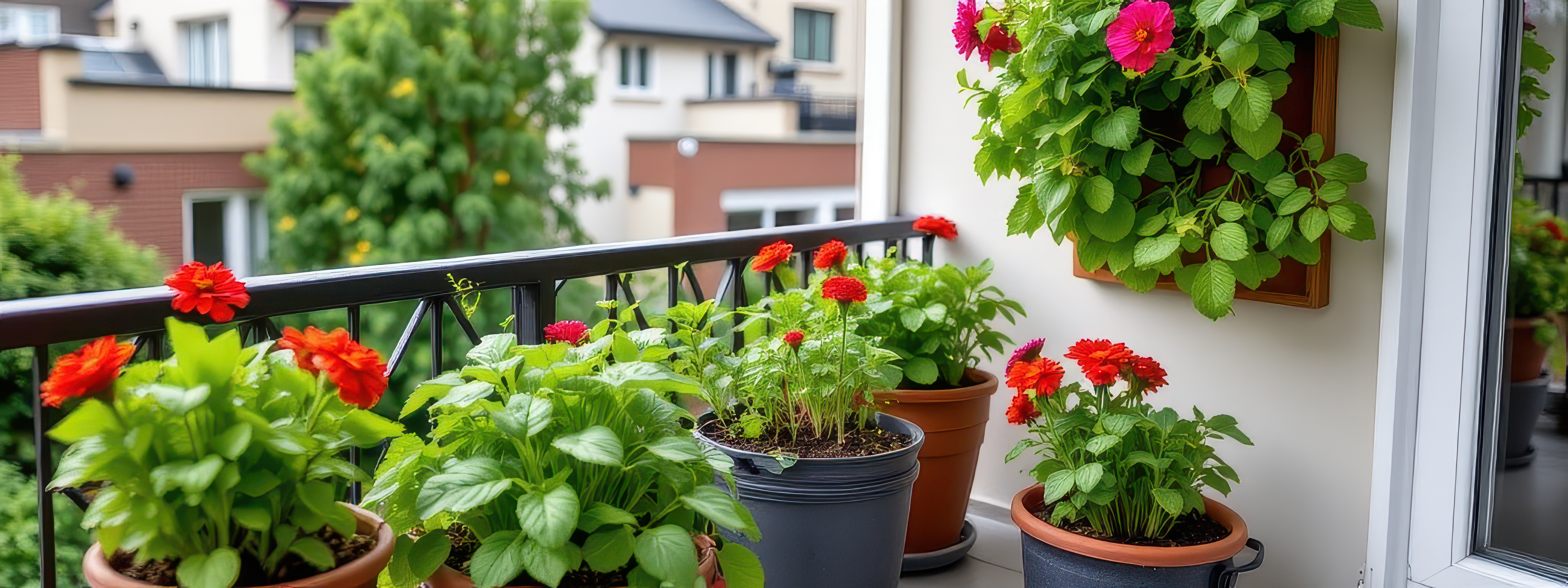
Indoor plants are more than just decorative elements—they bring life, freshness, and natural beauty into any living space. Whether you live in a small apartment or a large house, adding indoor plants can create a calming environment and improve the overall atmosphere of your home.
Benefits of Indoor Plants
One of the biggest advantages of indoor plants is their ability to enhance indoor air quality. Many popular houseplants help filter pollutants and increase oxygen levels, making your home feel fresher and healthier. Indoor plants can also reduce stress, boost mood, and create a relaxing environment for work, study, or leisure.
Best Indoor Plants for Beginners
If you’re new to plant care, start with low-maintenance varieties such as:
- Snake Plant
- Pothos
- ZZ Plant
- Spider Plant
- Peace Lily
- Chinese Evergreen
These plants are known for their resilience and ability to thrive in various indoor conditions.
Essential Indoor Plant Care Tips
1. Provide the Right Light
Different plants require different light levels. Some thrive in bright indirect light, while others can tolerate low-light environments. Always check the specific needs of your plant.
2. Water Properly
Overwatering is one of the most common reasons indoor plants fail. Allow the soil to dry slightly between waterings and ensure pots have proper drainage.
3. Maintain Humidity
Many tropical plants prefer higher humidity levels. You can increase humidity by misting leaves occasionally or placing a tray of water near your plants.
4. Use Quality Soil
A well-draining potting mix helps roots stay healthy and prevents waterlogging.
5. Fertilize Regularly
During the growing season, use a balanced fertilizer every few weeks to support healthy growth and vibrant foliage.
Common Indoor Plant Problems
Yellow Leaves
Often caused by overwatering or poor drainage.
Brown Leaf Tips
Usually a sign of low humidity or inconsistent watering.
Slow Growth
May indicate insufficient light or lack of nutrients.
Pest Issues
Regularly inspect leaves for pests such as spider mites, mealybugs, or aphids and treat them promptly.
Creating an Indoor Plant Collection
Mix plants of different heights, textures, and leaf shapes to create a visually appealing indoor garden. Place larger plants in corners, medium-sized plants on stands, and smaller varieties on shelves or desks for a balanced look.
Final Thoughts
Indoor plants are a wonderful way to connect with nature while enhancing the beauty of your home. With proper care and attention, your indoor garden can thrive for years, providing a healthier, greener, and more relaxing living space. Start with a few easy-care plants, learn their needs, and enjoy the rewarding experience of growing plants indoors.
RootFlick is dedicated to helping plant lovers discover practical plant care tips, expert guides, and inspiration for creating beautiful indoor and outdoor gardens. 🌿
Leave a Reply